20/10/2026 05:03
Did the Dub Change the Instruction? YouTube Audio Reviews for Cambodian Sewing-Machine Shops

A sewing-machine demonstration can look clear while its translated narration tells a different story. A part name may become a general word, an optional accessory may sound included, or an instruction may lose a crucial negative. For a Cambodian shop sharing demonstrations with customers who use different languages, those differences deserve attention before promotion. This guide explains how to review a YouTube dub against the actual machine, the original explanation and the shop’s offer. It also gives SMM-panel customers a practical stopping rule: additional engagement cannot establish that a translation is accurate or that viewers understood the demonstration.
1. Define the customer question before choosing a language
Start with a specific question the video should resolve. For example, a hypothetical Phnom Penh sewing-machine shop wants customers to understand which presser foot appears in a demonstration and whether it comes with the displayed machine. That is a manageable review task. A broad objective such as reaching everyone in several languages leaves the reviewer without a clear standard for deciding whether the explanation works.
Choose the intended language from actual communication needs, such as enquiries staff already receive. A customer’s location does not establish their preferred language, and a language does not establish buying intent. Write a short brief naming the audience, the question, the machine model and the next action. For this hypothetical shop, the next action could be asking about accessory compatibility. Keep that purpose visible during review so a fluent translation does not distract from missing product information.
2. Check what YouTube actually makes available
YouTube’s official automatic-dubbing guidance says language availability varies; check the specific video’s Languages page in Studio. Its published list currently does not include Khmer. Do not promise automatic Khmer audio. Set the original language accurately and enable manual review before publishing dubs. On a computer, open Studio, select Content, choose the video, then Languages and preview the relevant track. Automatic dubs cannot be edited; available management actions include publishing, unpublishing and deleting them.
Treat availability as the first decision, separate from quality. If the required language is unavailable, prepare a separately recorded explanation with a competent speaker rather than presenting an unrelated track as a solution. If the shop cannot review a language confidently, leave that version outside the promotion plan. The useful deliverable is an explanation a customer can follow, even when that means producing one carefully checked version instead of several uncertain ones.
3. Prepare a small reference pack
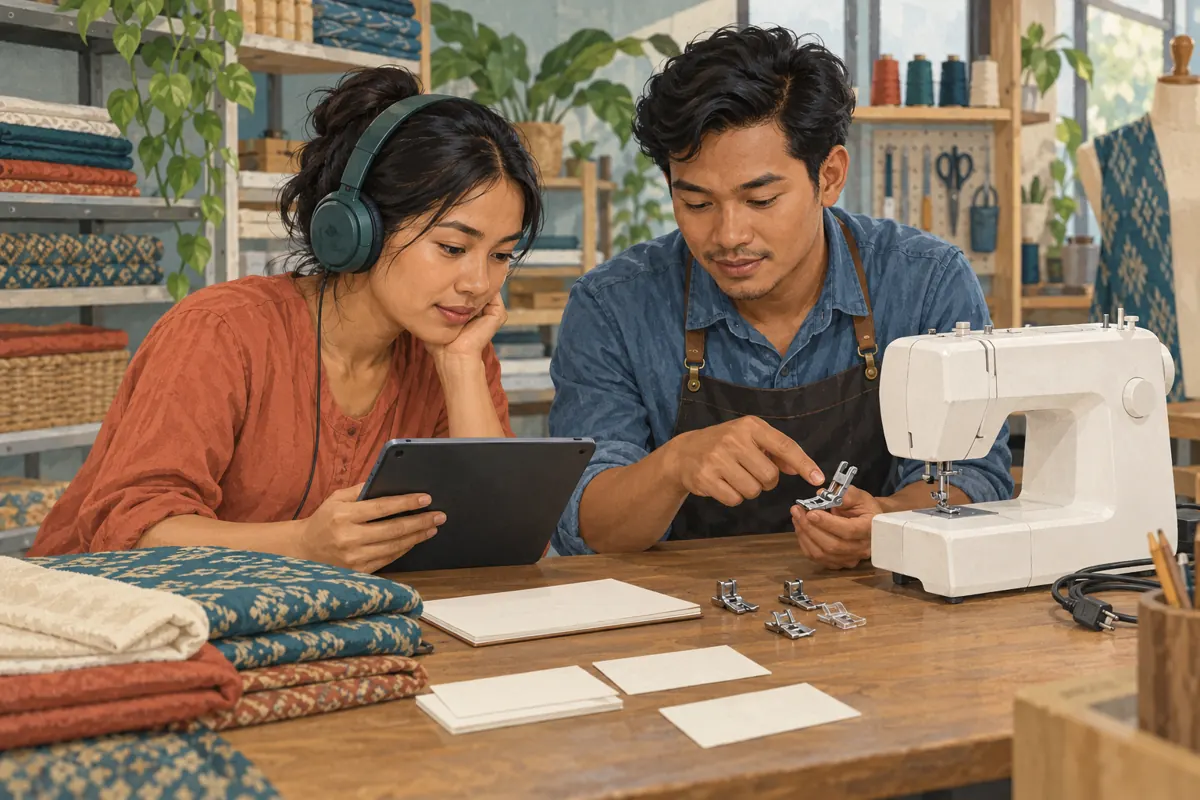
Give the reviewer the original recording, the manufacturer’s instructions for the exact model, photographs of the accessories and the shop’s confirmed package contents. Include a short glossary of words that matter in this particular demonstration. Terms such as bobbin, presser foot and stitch selector should point to identifiable objects. Avoid a huge terminology document that makes the important distinctions difficult to find.
Separate manufacturer information from shop promises. A machine manual may explain an accessory without establishing that the shop includes it in every sale. Similarly, a filmed sample does not prove that every fabric will behave the same way. In the hypothetical shop’s reference pack, mark the demonstrated foot as included, optional or awaiting confirmation. If staff disagree, settle the underlying product fact before judging the translation. A reviewer cannot preserve an accurate meaning when the original claim remains uncertain.
4. Listen once for the complete meaning
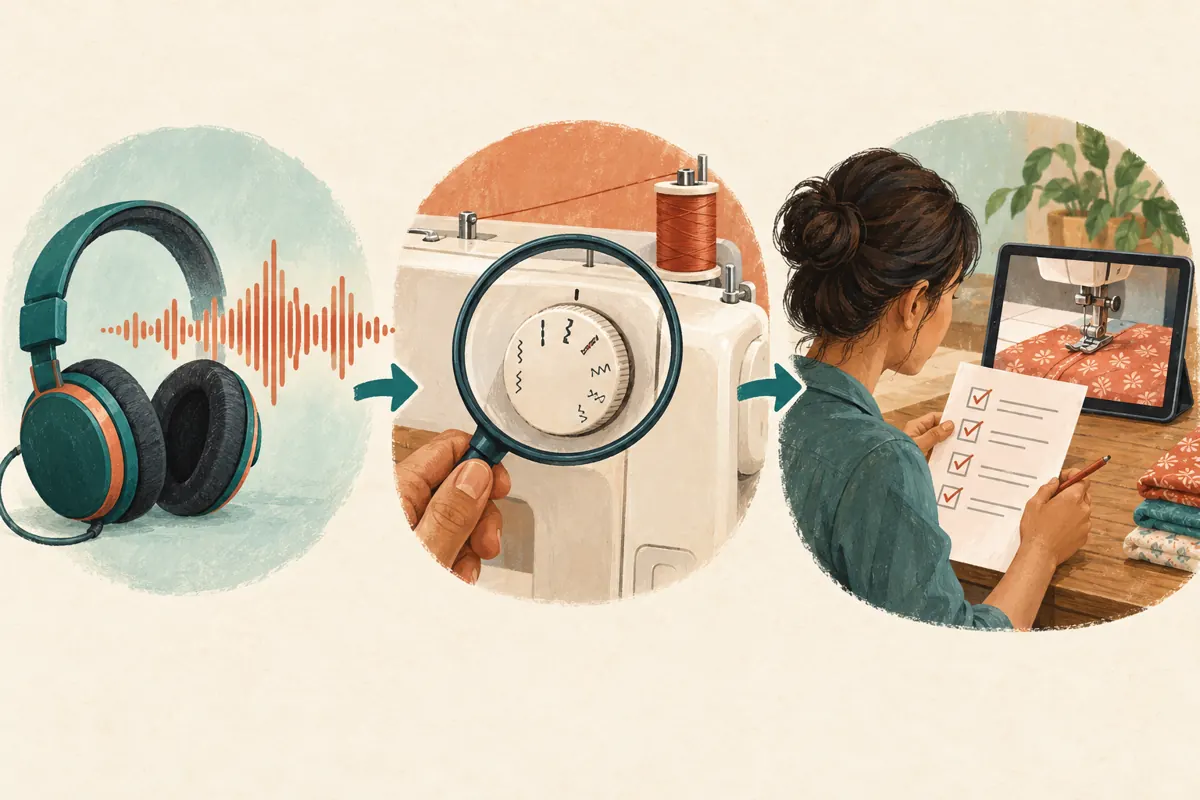
During the first pass, listen from beginning to end without stopping at every unusual phrase. Ask what a new customer would believe after hearing the track. Which machine is being shown? What does the accessory do? What limitations are stated? What should the viewer ask the shop next? Write those answers before comparing individual sentences. This exposes a coherent but incorrect explanation that word-by-word checking might overlook.
Then compare the reviewer’s understanding with the brief. In a hypothetical example, the original says that an accessory can be purchased separately, while the reviewer understands that it arrives in the box. That difference is material even if the translation sounds natural. Record the timestamp, intended meaning and understood meaning. Avoid vague feedback such as bad translation. A precise note gives the owner a concrete reason to hold the track and gives a future narrator a clear problem to fix.
5. Compare spoken instructions with visible actions
For the second pass, watch the relevant action while listening to its narration. Check that the named part is the part on screen and that the explanation arrives while the viewer can still identify it. Look especially at sequences containing before, after, only and do not. These small words can change what a learner thinks they should do, even when most of the sentence remains recognisable.
This is an editorial review, not an invitation to test uncertain operating instructions. Use the correct manufacturer guidance and a knowledgeable staff member to resolve technical questions. Keep a machine disconnected when inspecting removable parts where the manufacturer requires that precaution. If the video itself demonstrates the wrong sequence, holding only the translation is insufficient: the original content needs correction too. Do not approve a track merely because it faithfully repeats an error already present in the source recording.
6. Review sales promises separately from technique
Make a third pass for statements that affect the purchase decision. Check model identifiers, included accessories, delivery conditions, demonstrations offered in the shop and any after-sales support mentioned. A translation can preserve the mechanical explanation while widening a promise. For instance, help with initial setup should not become an unrestricted promise to repair every future problem.
Cambodian shops discussing prices in different currencies should pay particular attention to spoken currency names and the surrounding conditions. Do not rely on a currency symbol visible briefly in the frame to repair unclear audio. If a promotion has an expiry date or applies only to a particular package, the translated explanation must preserve that boundary. For an evergreen demonstration, consider keeping changing offers in a separately maintained sales message. That editorial choice reduces the amount of commercial information that every future audio review must revisit.
7. Use a clear approval or hold decision
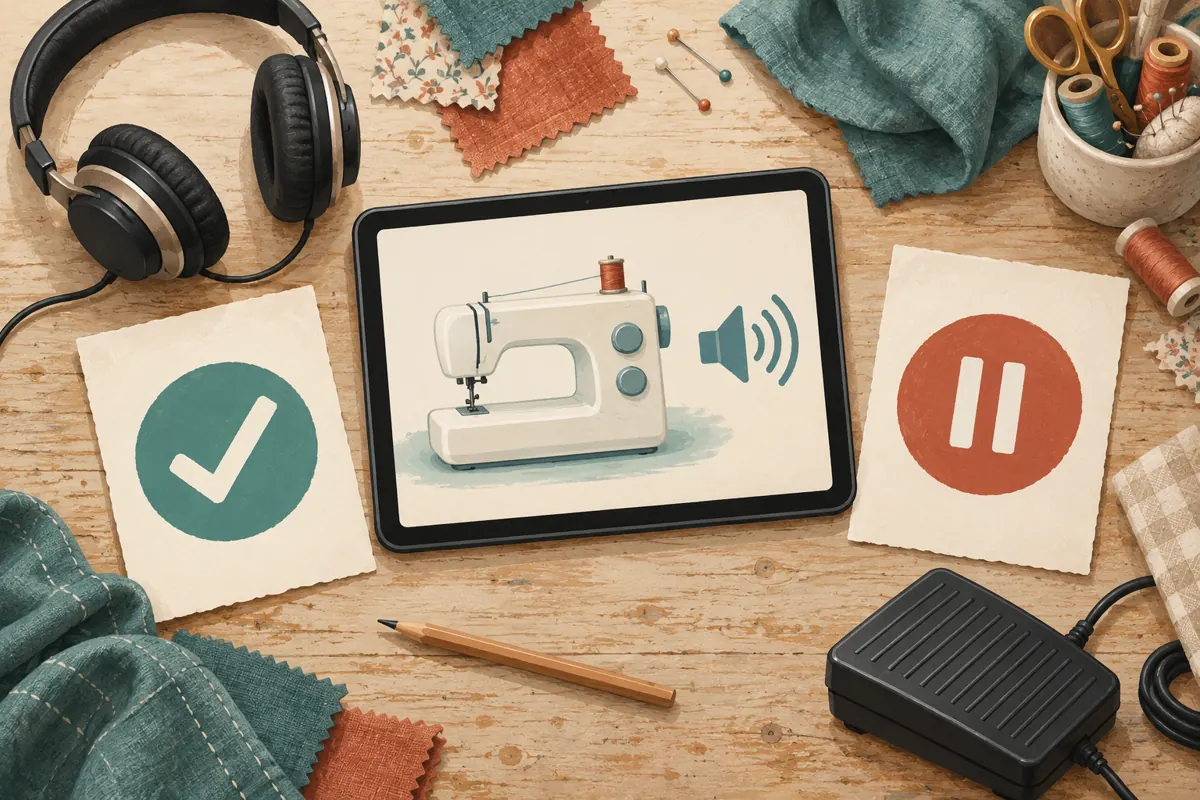
Approve a language version only when the reviewer can confirm the technical meaning, the sequence shown and the commercial conditions. Harmless stylistic differences need not block publication. A phrase can sound different while conveying the same instruction. However, an uncertain part name, changed operating direction or unsupported inclusion claim should trigger a hold. The standard is whether the difference could change a viewer’s action or purchase expectation.
Keep the record compact: video reference, language, review date, reviewer, affected timestamps and decision. Add the reason for each unresolved point. When a replacement explanation is prepared, review it as a complete piece rather than assuming the previously flagged sentence was the only weakness. Ask a second person familiar with the language to explain the demonstration back in ordinary words when feasible. This checks comprehension without requiring them to imitate the original script.
8. Keep SMM-panel services outside translation approval
The supplied catalogue includes the exact public title “YouTube Like ~ Max 100k ~ 50k/days ~ Instant ~ 𝐍𝐎 𝗥𝗘𝗙𝗜𝗟𝗟”. It identifies a likes service, but its description is empty. The title alone does not verify delivery claims, audience origin or account quality. It supplies no evidence that someone listened to the dubbed explanation or understood the accessory being shown.
YouTube’s fake engagement policy prohibits artificially increasing views, likes and other metrics. It also states that a hired promoter’s actions can affect the channel. Reject any proposed method that conflicts with that policy. Purchased engagement is not evidence of genuine interest, sales, ad delivery or Cambodian users. For this workflow, direct effort toward language review, clearer filming and relevant distribution to people who want the explanation. Do not treat a panel order or an increased counter as approval of the content’s accuracy.
9. Test the customer handoff after approval
Have a colleague open the approved public video as a viewer and listen to the intended language version. YouTube allows viewers to switch between original and dubbed audio. Check the actual listening experience rather than assuming every viewer hears the same track. Ask the colleague to locate the demonstrated part and state what information they would send the shop to ask about compatibility.
Prepare staff for that enquiry. A useful response might request the machine’s model identifier and a clear photo of the relevant fitting, without promising compatibility from an unclear image. Record genuine questions that reveal confusion: an accessory name that customers repeatedly misunderstand deserves attention. Distinguish those questions from casual praise. The review has practical value when staff can connect the explanation to an informed conversation, even if the video attracts a modest audience.
10. Avoid shortcuts that conceal unresolved problems
Do not ask a reviewer to approve a language they only partly understand because the voice sounds convincing. Do not check only the opening and closing sentences while skipping the demonstration. Avoid assuming that correct captions establish correct spoken audio; treat each as its own communication layer. A viewer may listen without reading, so an accurate written phrase does not excuse a contradictory narration.
Another mistake is treating approval as permanent after the offer changes. Revisit the relevant explanation when package contents, stock models or service conditions change. If a customer reports a possible error, record the language, timestamp and their interpretation, then investigate before dismissing it. Reopen the same review record so staff can see why the decision changed. Keep the focus on resolving the misunderstanding rather than defending a previously approved piece of content.
Frequently asked questions
Should a Cambodian shop use dubbed audio if most customers speak Khmer?
Only when it serves an identifiable audience and the shop can review it properly. A clear Khmer original may be the most useful starting point for the shop’s customers. Additional languages should solve an actual communication need, such as explaining a particular accessory to customers who have requested another language.
What if nobody on the team can judge the translated audio?
Arrange a review by a competent speaker with access to the product reference pack. Language fluency and product knowledge can come from two collaborating people. Until the meaning is confirmed, keep that version out of the promotion plan rather than asking customers to discover its errors.
Does an unusual pronunciation mean the entire version must be rejected?
Not necessarily. Ask whether the listener can identify the correct object and understand the intended instruction. A slightly unfamiliar pronunciation may be harmless. A model name that sounds like a different product, however, can misdirect an enquiry and should remain unresolved until someone checks it.
Can a note in the description compensate for incorrect spoken instructions?
Do not rely on that approach. A listener may never read the description, especially while watching the demonstrated action. Hold the problematic version and prepare a clear alternative. Supporting text can add context, but it should not be the only place where a consequential audio error is corrected.
How should the shop judge whether the review helped?
Look for specific evidence of understanding in genuine enquiries: customers identifying the accessory, distinguishing optional items or supplying the relevant machine information. Keep these observations separate from sales conclusions. A clearer question is useful evidence about communication, but it does not by itself prove that the video caused a purchase.
Explore the current service catalogue, create an account, or ask a specific question through support tickets.
Prepared with AI assistance. Illustrations explain the workflow and do not represent customer results.