22/10/2026 13:48
Private Sample or Public Offer? TikTok Visibility Checks for Cambodian Uniform Shops
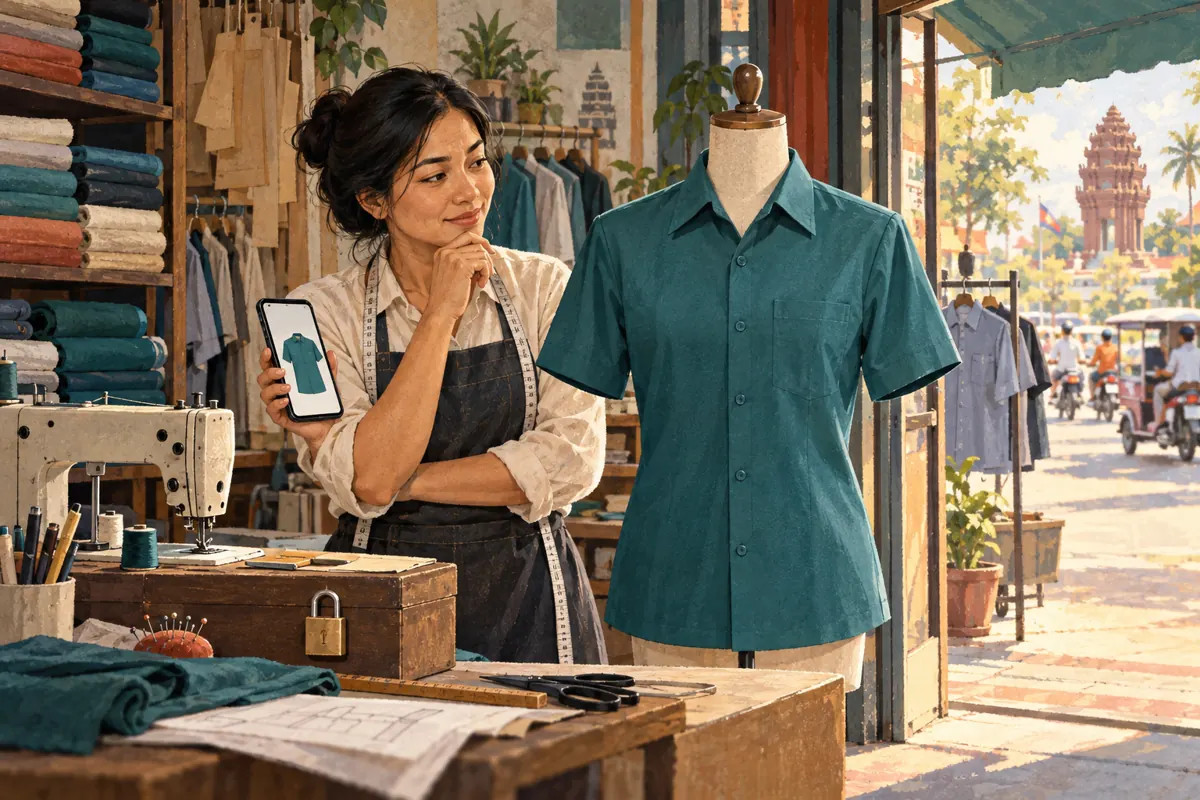
A uniform sample can be ready for inspection before it is ready for promotion. A tailor may still be checking the pocket position, waiting for permission to show an embroidered logo, or confirming which fabric customers can order. If the demonstration becomes public too early, viewers may mistake a prototype for an available product. If it stays restricted after launch, prospective buyers may receive a link they cannot use. For Cambodian uniform shops, the useful question is therefore precise: who should be able to watch this particular TikTok post today? This workflow connects that decision to sample approval, public release, viewer checks and responsible assessment of SMM panel services.
1. Give the video a business purpose before choosing its audience
Start with a sentence that describes what the video is meant to accomplish. For example: demonstrate the difference between a straight pocket and a flap pocket so a buyer can prepare an enquiry. That purpose requires a clear garment view and an accurate explanation. It does not require showing a customer's name, an unfinished quotation or another company's confidential design.
In a hypothetical Phnom Penh uniform shop, the owner films a teal work shirt while the sample maker is still checking the cuff. The recording is useful internally, but the public offer is unfinished. The team marks its own task record as awaiting sample approval. This business status should guide the release decision; simply finishing the recording should not trigger public promotion.
2. Understand the audience choices without treating them as approval tools
TikTok's Post privacy settings guidance distinguishes account privacy from the audience of an individual post. For a public account, it lists Everyone, Friends and Only you. For a private account, it lists Followers, Friends and Only you. Friends means followers you follow back. These settings control access; they do not document whether a manager or customer approved a garment.
Choose the audience that matches the immediate task. A personal review and a public product demonstration have different needs. Do not treat Friends as a named project-review group: mutual connections may include people unrelated to the sample. When a particular customer needs to approve a design, use an agreed review method and record their decision separately. Avoid changing account relationships merely to improvise an approval process.
3. Remove details that do not belong in a public demonstration
Review the entire frame before making an audience change. Uniform workbenches often contain order sheets, name labels, measurement notes and branded samples. Move those items away before filming. A plain demonstration shirt can explain a sewing option without exposing the identity or purchasing plans of the customer whose order inspired it.
Listen as well as look. Background conversation might mention a buyer's telephone number or an unconfirmed delivery promise. Check reflections, the final frame and any close-up of embroidery. For Cambodian viewers, review the Khmer explanation with someone who understands the garment terminology. If the narration says the shirt is available immediately while the caption describes a sample, resolve that disagreement before release.
4. Separate garment approval from permission to promote
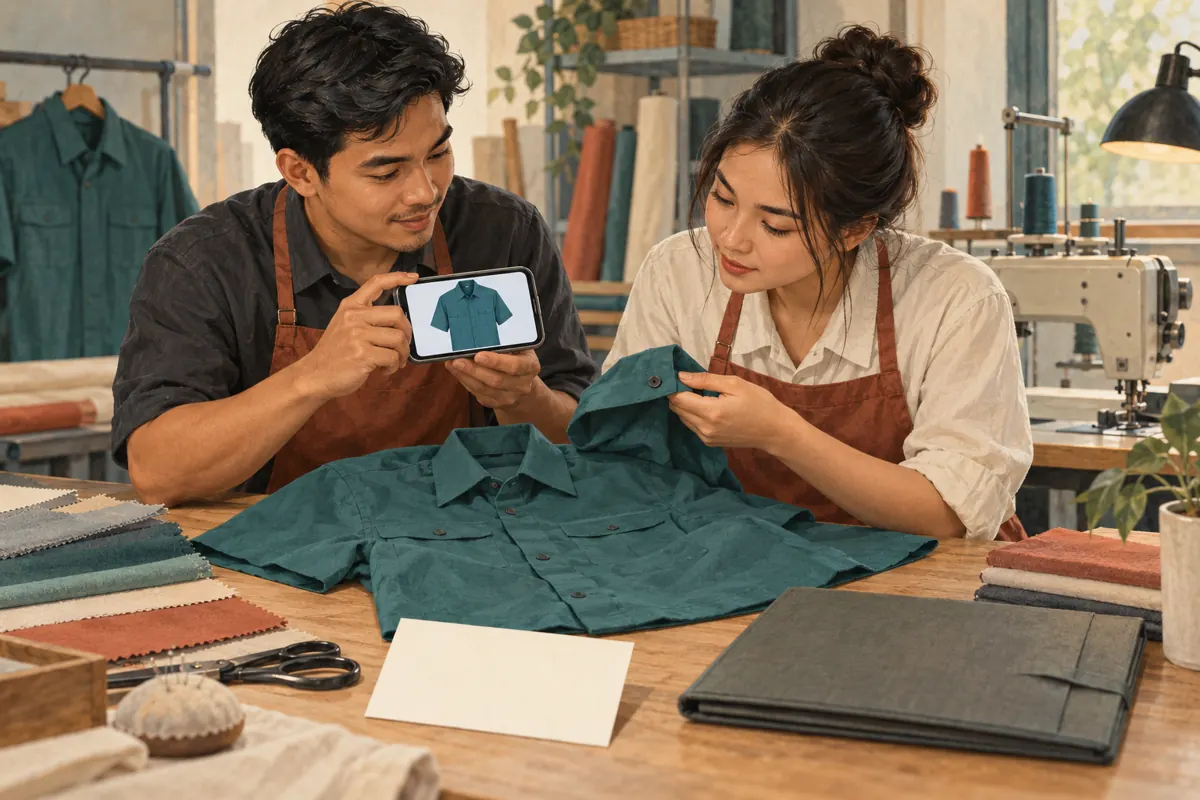
Use two explicit questions in the shop's review note. First, is the garment shown accurately? Second, may this recording be used publicly? A customer accepting a pocket shape has not necessarily agreed to public use of their company logo. Likewise, permission to show a sample does not confirm its fabric is available for new orders.
For the hypothetical teal shirt, the sample maker confirms the cuff construction, while the owner checks fabric availability and the wording of the offer. A short record can contain the video identifier, the version reviewed, the unresolved issue and the person responsible for deciding. A useful approval message describes its scope: the plain sample may be shown, but the branded customer version remains excluded.
5. Make the visibility change as a deliberate release step
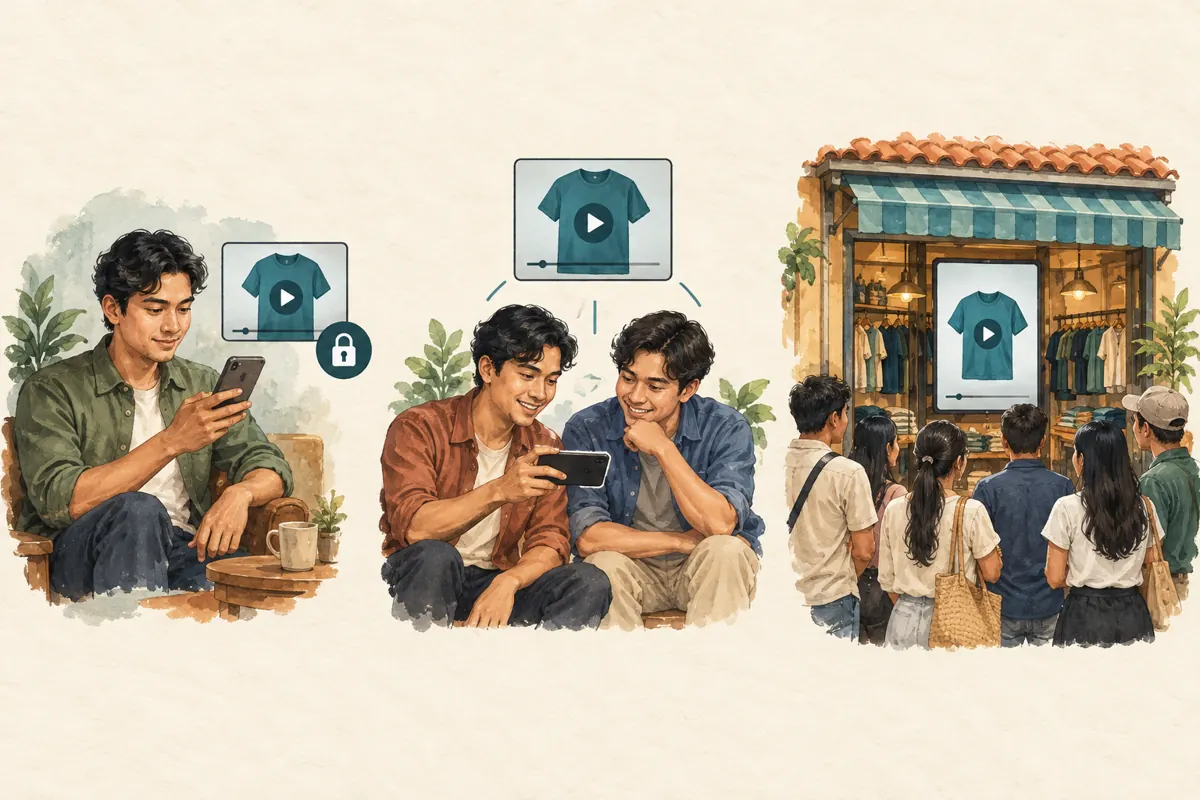
For an existing post, TikTok directs users to Profile, the relevant post, More options, Privacy settings and the audience selection. Check the choices actually offered in your account. Its official instructions are linked in the sources. If the expected choice is missing, investigate the account's settings and available guidance rather than assuming a panel service can unlock it.
Before changing anything, compare the selected post with the approved version. Similar shirts can make thumbnails difficult to distinguish. Watch enough of the clip to identify the cuff, pocket and spoken offer. Then record who made the change and when. Keep one person responsible for release during that handover so a coworker does not simultaneously restore a previous setting while trying to help.
6. Test access from the intended viewer's position
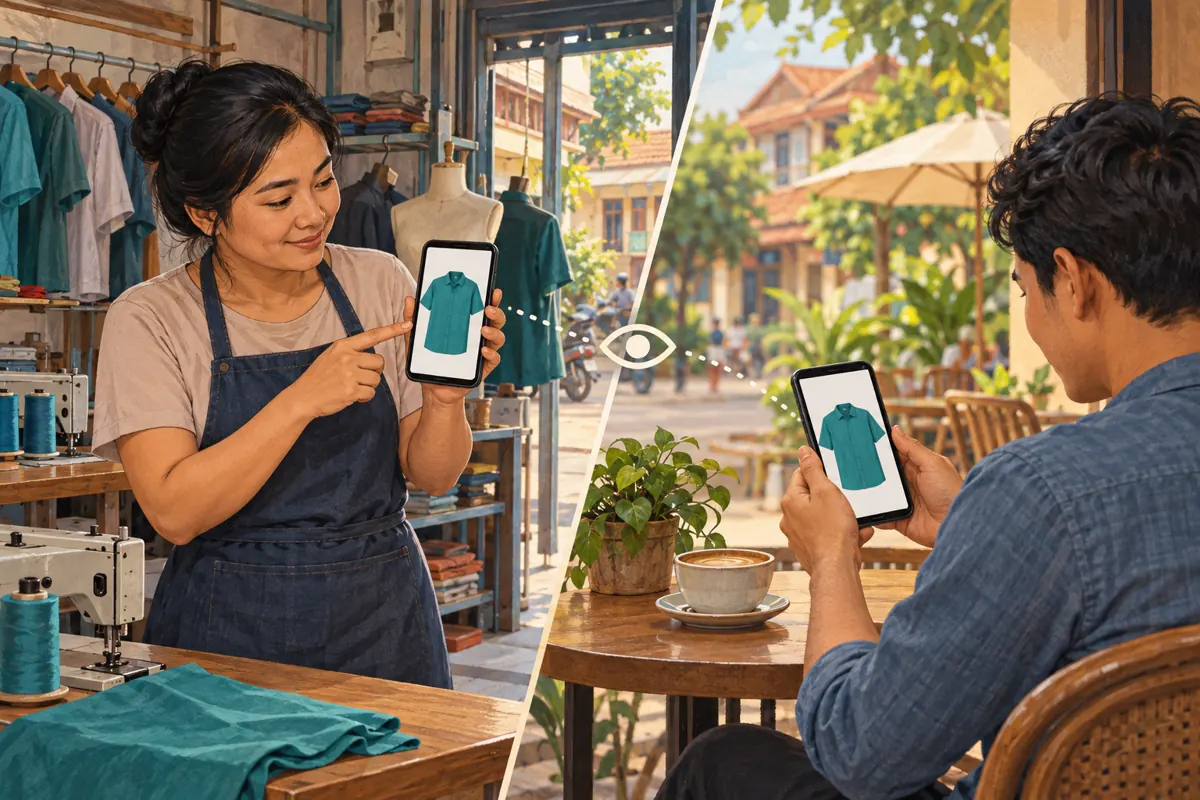
The owner seeing a video on the shop phone does not answer whether a prospective buyer can open it. After release, ask a colleague using their own account to test the exact shared link. For a public-access check, someone who is not a mutual follower provides a more useful perspective than the same coworker who participated in restricted review.
Ask the tester to report what happened: the correct shirt appeared, a sign-in prompt appeared, the content was unavailable, or the link opened a different destination. Avoid reducing all failures to 'TikTok is broken.' Record the viewing context and any message shown. This test establishes access in that situation; it does not demonstrate broad distribution, recommendation eligibility or local customer demand.
7. Give Cambodian buyers a usable next step
Once access works, inspect the buying instructions. A uniform demonstration should distinguish the sample's appearance from the options available to order. Explain whether viewers should ask about fabric, provide a quantity, arrange a fitting or request a quotation. Choose one primary next step so the viewer knows what information to send first.
In the hypothetical shop, the caption could ask prospective buyers to send the required garment type, approximate quantity and preferred collection date. The staff then confirm feasibility privately. Keep personal measurements and contact details out of public comments. Mention the actual pickup area when relevant, and avoid suggesting nationwide service unless the shop can fulfil it. Clear local context helps people assess suitability without claiming that everyone watching is Cambodian.
8. Review an SMM listing without confusing it with public access
The supplied je-smm.com catalogue includes the exact title “TikTok Likes ~ 𝗛𝗤 𝗔𝗰𝗰𝗼𝘂𝗻𝘁 ~ Max 5M ~ 200k/days ~ Instant ~ 𝐍𝐎 𝗥𝗘𝗙𝗜𝗟𝗟”. It is labelled as a TikTok likes service. Its supplied description is empty, so the title alone does not substantiate account quality, delivery timing, Cambodian audience origin or any business outcome. Those words should remain catalogue claims, not become promises in the shop's promotion.
Apply a platform-policy check before a purchasing decision. TikTok's Integrity and Authenticity guidelines prohibit services that artificially increase engagement, including likes and followers. Where a proposed service does that, decline it. A service listing cannot change the shop's privacy settings or establish that an inaccessible post is suitable for promotion. Purchased engagement is not evidence of genuine interest, sales, ad delivery or Cambodian users, and a panel listing does not establish official TikTok affiliation.
9. Mark the release boundary in your reporting
TikTok states that a post's view count includes views accumulated to date and does not reset when its privacy settings change. Consequently, an existing total is not automatically a clean measure of activity since public release. Note the release time and the displayed total at that point if your team plans to discuss later changes.
Keep the business review equally specific. Record genuine enquiries about the shirt, questions that revealed missing information, quotations requested and orders confirmed through the shop's normal process. Do not call every message a sales lead: a viewer asking how to sew a cuff may want instruction rather than a uniform. Use these distinctions to improve the next demonstration without pretending to know why every view occurred.
10. Handle mistakes according to what actually went wrong
If a sample becomes public before approval, stop further sharing and review the audience setting promptly. If customer information appeared, tell the responsible person what was exposed and decide the next action based on that content. Do not assume that restricting the post later retrieves copies someone may already have retained. Prevention begins with the recording itself.
If the clip is accurate but unexpectedly inaccessible, check the selected post, account context and audience choice before making another upload. If the offer is wrong, correct the content and prepare a clearly identified replacement when necessary. Avoid maintaining several nearly identical clips with conflicting availability statements. When a panel support record already refers to the affected post, document the change honestly; never make sensitive material public merely to satisfy a service request.
Frequently asked questions
Can we use Friends to show a sample only to one customer?
Do not assume that choice isolates a single customer. Review which people fall within the audience you select, and use an agreed private review method when the material is intended for one named recipient. For sensitive embroidery or customer-specific designs, keep the public demonstration separate and use a plain garment. Record exactly what the customer approved instead of treating their ability to watch as approval.
Should we make the whole account public for one uniform video?
Treat that as a broader business decision. Review the other material associated with the account and decide whether the account is intended to represent the shop publicly. If it also contains personal or customer-review material, first organise an appropriate business publishing arrangement. Do not make a rushed account-wide change simply because a promotional link failed during a deadline.
Does a successful viewer test mean the video will reach Cambodian buyers?
No. It shows that the tester could access the post in the circumstances checked. Local relevance still depends on what the shop offers and whether people encounter and understand it. State the service area, explain the garment clearly and make enquiries easy to handle. Assess actual questions and confirmed transactions separately from access checks or displayed engagement totals.
Can a panel service repair a video that customers cannot open?
A catalogue label does not establish that capability. First diagnose the destination and the shop's own settings. Do not give a provider a password or verification code to investigate a public-link problem. If an existing service record needs clarification, supply the minimum relevant reference and a factual description of the issue. Keep any decision about public visibility under the shop's control.
What should we do when a public sample is no longer available?
Decide whether the video still provides useful information without implying current availability. If it remains a valid construction example, make its sample status and current enquiry process clear wherever you direct viewers. If the offer is misleading or cannot be corrected adequately, withdraw it from active promotion and prepare an accurate replacement. Update the links used by staff so future conversations start with the current information.
Explore the current service catalogue, create an account, or ask a specific question through support tickets.
Prepared with AI assistance. Illustrations explain the workflow and do not represent customer results.