21/10/2026 01:32
Wrong Model or Misspelled Name? YouTube Tags for Cambodian Printer-Supply Shops
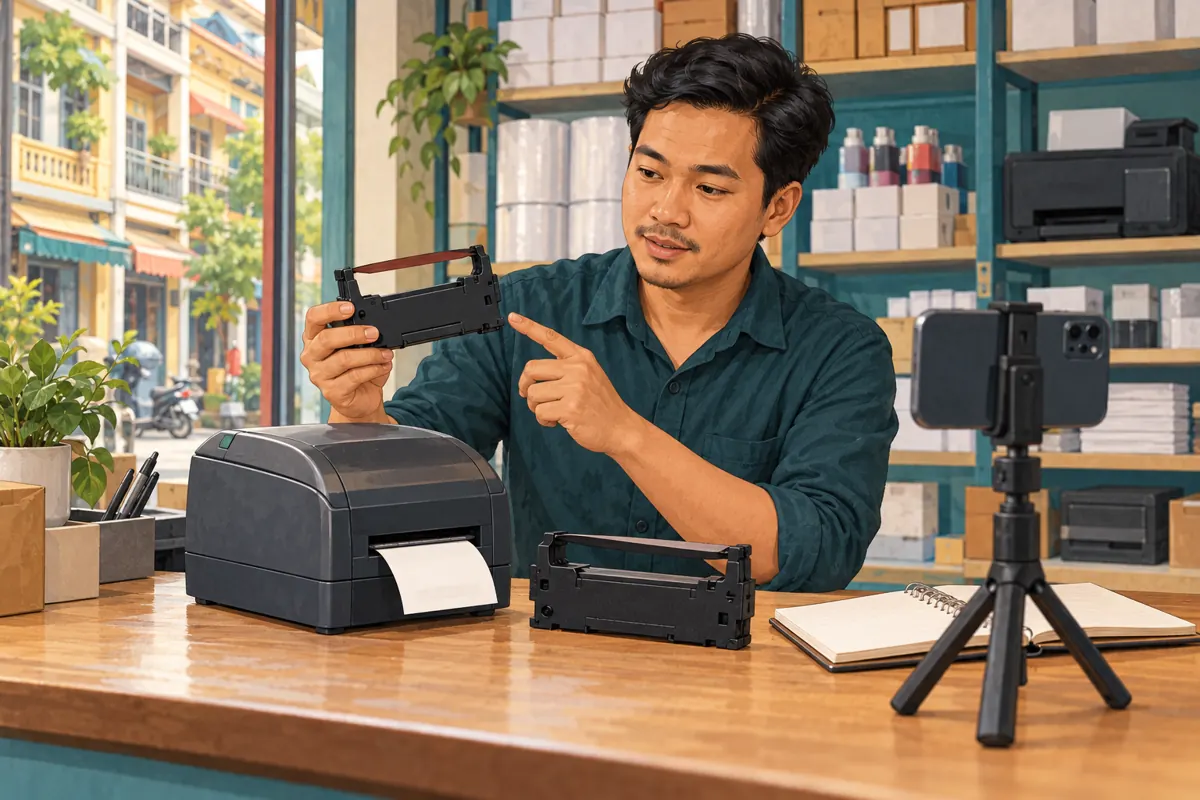
A printer-ribbon demonstration can be perfectly clear to the person filming it and confusing to someone searching for a replacement. A customer might omit a hyphen, copy only part of a model name, or mistake one character for another. For a Cambodian printer-supply shop promoting demonstrations on YouTube, the useful question is whether these variations describe the same product or a different machine. This workflow helps a small team make that distinction before editing tags or considering an SMM service. The aim is a video that attracts relevant questions and supports careful product identification, without presenting visibility as proof of compatibility or demand.
1. Give tags a small, specific job
YouTube’s official guidance, Add tags to your YouTube videos, says tags can help when a video’s subject is commonly misspelled. Otherwise, their role in discovery is minimal; the title, thumbnail and description matter more. Treat tags as a place for useful spelling clarification, rather than the main promotion plan.
For a printer-supply shop, this means checking whether buyers repeatedly mistype a model designation. It does not mean collecting every printer brand or every phrase containing Cambodia. Decide what confusion the video resolves first. If the clip explains how to identify a ribbon cartridge, its visible presentation should communicate that purpose. A longer tag list cannot make an unclear demonstration useful.
2. Establish the product identity before collecting keywords
Start with the physical item and a reliable reference. Record the printer’s complete model designation, the cartridge identifier and the source used to check compatibility. That source could be the manufacturer’s documentation or another verifiable product record. Keep the printer model separate from the ribbon code: customers may quote either, but they are not necessarily interchangeable.
In a hypothetical Phnom Penh shop, a staff member prepares a video about a fictional printer called PX-240 and a fictional ribbon called RB-24. These invented identifiers illustrate the workflow only. The team checks both records before filming. If the packaging and reference disagree, the video stays in preparation while someone resolves the discrepancy. Metadata should follow a verified product identity, rather than become the place where staff guess.
3. Collect wording from real questions without copying private information
Review the language customers already use in ordinary enquiries. Record the product phrase and the confusion it caused, leaving out names, phone numbers, addresses and photographs of unrelated documents. A simple note might say that a buyer typed the model without punctuation, or asked for a ribbon using the printer’s family name.
For a Cambodian audience, review Khmer product terms alongside Latin model identifiers where those combinations actually occur. Ask a fluent colleague to distinguish a familiar local expression from an awkward translation. Do not invent a large collection of romanized Khmer spellings simply because they look plausible. Preserve the exact official model designation in the reference record, even when customers describe the product differently in conversation.
4. Separate a spelling variation from a different model
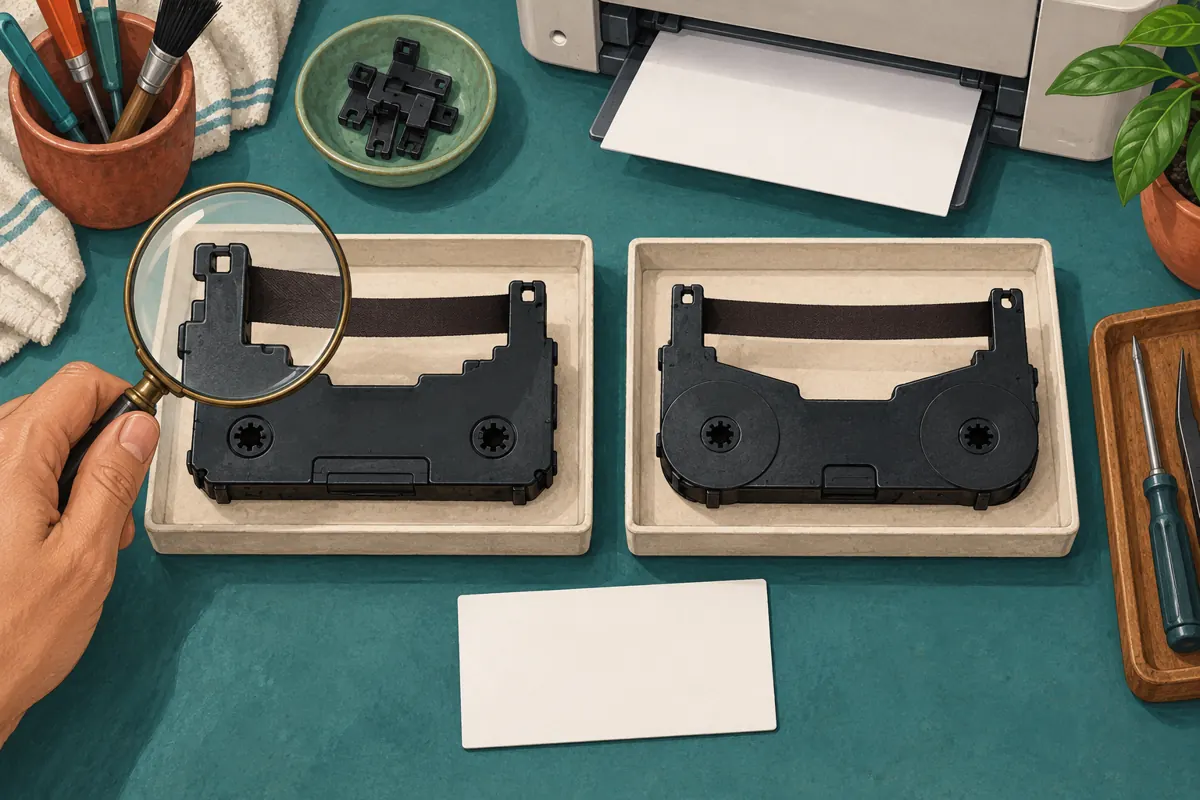
Sort each candidate phrase into one of three decisions: clearly the same identifier, a different identifier, or unresolved. In the hypothetical example, PX240 may simply be a punctuation-free version of PX-240. PX-240A, however, could designate another model. The added character deserves verification rather than automatic inclusion. Even a likely typing mistake needs checking if the resulting code also names a real product.
Make the decision explainable. Beside each retained phrase, write a short reason such as punctuation omitted in customer enquiries. Beside an excluded phrase, record different model or compatibility not established. This small record prevents the next editor from restoring unsuitable terms. It also gives counter staff a useful distinction: understanding what a customer probably meant is the beginning of verification, not the end.
5. Make the visible promise match the demonstration
Choose a title that describes the task viewers can complete. For the hypothetical video, Finding the PX-240 model label before choosing a ribbon is more precise than Best ribbon for every office printer. Show the relevant label location and cartridge features clearly. If the video only teaches identification, avoid presenting it as a complete installation or troubleshooting guide.
Explain what the customer should send next: a readable model designation and, when necessary, a photograph of the existing cartridge. Ask them to keep unrelated information outside the frame. A shop serving customers beyond Phnom Penh can distinguish product checking from delivery arrangements. Someone who recognises the right model still needs confirmation of stock, collection options or delivery availability before making a purchasing decision.
6. Enter a short reviewed set in YouTube Studio
For an uploaded video, YouTube’s documented desktop route is YouTube Studio, Content, the selected video, then SHOW MORE to access tags. Enter the reviewed terms and save the changes. For a new upload, the official guide places tags under MORE OPTIONS in the Details stage.
Use the approved reference as your input sheet. Check characters individually, especially where a zero might be confused with the letter O. Reopen the details after saving and compare the retained terms with the sheet. This is an editorial accuracy check, not a search-ranking test. Assign one person to approve model references so that a busy colleague does not add neighbouring product codes merely because the cartridges look similar.
7. Use a practical stop-or-proceed decision
Proceed when the product identity is established, the demonstration answers its stated question, and every retained variation can be explained. Stop for product review when a term might identify another machine. Return to content editing when the video never shows the label or feature that viewers need. These are different problems and should go to the person able to resolve them.
Sometimes the correct decision is to leave the existing tags alone. If customers already identify the model correctly but cannot see how the cartridge differs, film a clearer close-up. If they understand the demonstration but cannot find collection information, improve the public enquiry instructions. Choose the next task from the actual obstacle rather than assuming that another metadata adjustment is always the most useful work.
8. Keep SMM catalogue labels separate from the tagging task
The supplied je-smm.com catalogue includes the exact public service name “YouTube Like ~ Max 500k ~ 100k/days ~ Instant ~ 𝐍𝐎 𝗥𝗘𝗙𝗜𝗟𝗟”. The title labels it as a likes service. Its accompanying description is empty, so the brief provides no explanatory evidence about delivery methods, audience identity or suitability for this shop. The wording is a catalogue label, not an independently verified performance statement.
A likes service does not resolve a misspelled model, verify ribbon compatibility or establish Cambodian demand. Purchased engagement is not evidence of genuine interest, sales, advertising delivery or Cambodian users. If a teammate proposes it as the next step, ask what business question it would answer. Do not transform a service-order record into a claim that local buyers understood the video or wanted the product.
9. Apply the platform-policy decision before any order
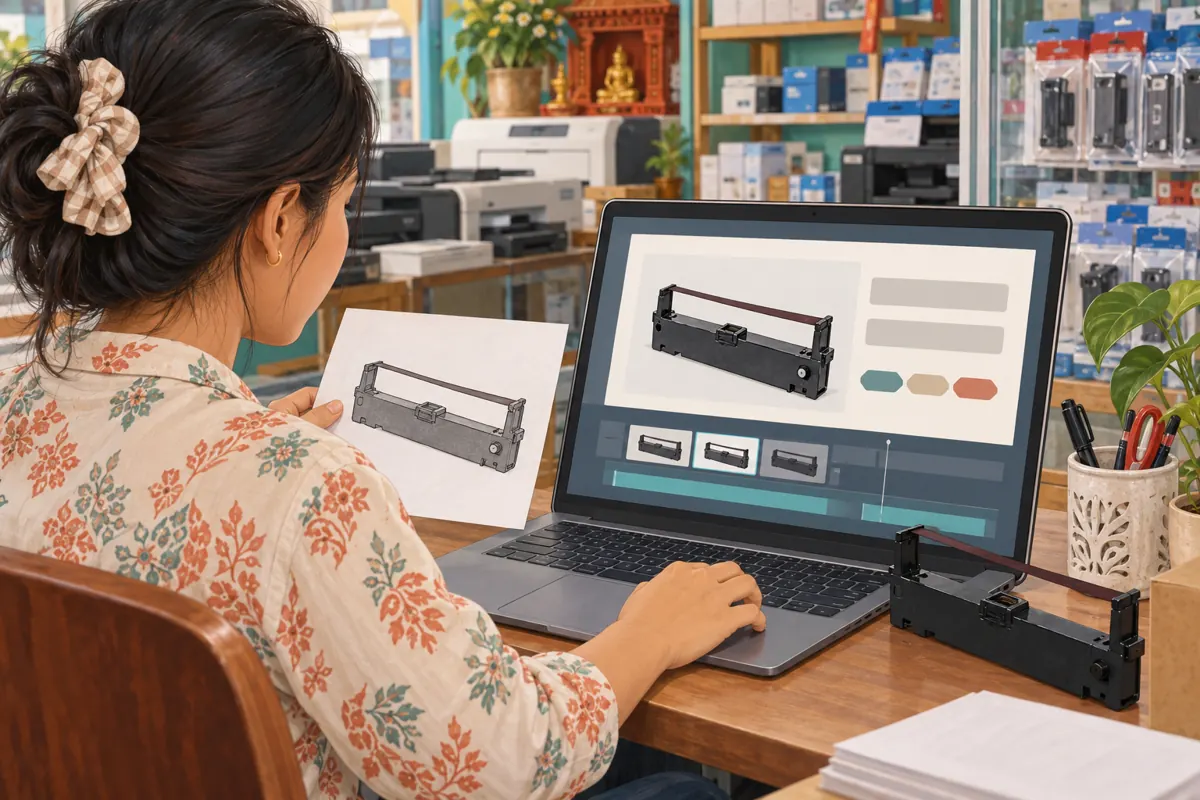
YouTube’s Fake engagement policy prohibits artificial increases in views, likes, comments and other metrics. It also explains that a hired promoter’s actions can affect the channel. A panel listing alone does not establish that a method complies with those rules. If a proposed service would artificially inflate engagement, do not order it for this workflow.
YouTube’s explanation of search describes relevance, engagement and quality as factors, and says it does not accept payment for improved organic search placement. Do not interpret those factors as a recipe for buying a search position. For this shop, a sensible promotion task is sharing an accurate identification guide where it answers a genuine question, while checking the rules of any community where staff intend to share it.
10. Review customer understanding without inventing attribution
After sharing the guide, record whether enquiries contain enough information for staff to identify the machine. Useful observations include model supplied clearly, cartridge still unclear, and customer needs help finding the label. Keep an enquiry separate from a confirmed compatible item, and keep both separate from a completed sale. Those distinctions make the review useful for the people handling requests.
In the hypothetical shop, a customer sends the full model after watching the guide but asks about a cartridge that has different mounting tabs. That is a reason for another explanatory close-up. It is not evidence that the tags succeeded or failed. Record what the customer actually said about finding the video, and leave the discovery route unknown when there is no reliable information.
11. Avoid changes that make the review harder
Common mistakes include pasting a supplier’s entire model list, retaining a code because it looks close enough, and adding location terms that do not describe the content or service area. Another is changing the title, thumbnail, demonstration and tags simultaneously, then attributing every later enquiry to tags. Keep a dated note of substantive changes so the team knows what viewers encountered.
Do not fill the description with a repeated keyword block; YouTube explicitly warns against excessive tags there. Keep public wording readable and useful. If a compatibility statement is wrong, correct it promptly rather than preserving it for a tidy comparison. Accuracy takes priority over maintaining an unchanged version, especially when a customer could use the information to select a part.
Frequently asked questions
Should we add every model that might use a similar-looking ribbon?
No. Similar appearance does not establish compatibility. Include a model in the content only when the claim is supported and relevant to what the video explains. If several models genuinely need comparison, prepare a comparison demonstration with verified distinctions. A broad list can conceal uncertainty that a buyer needs to understand.
Can we use Khmer wording together with Latin model codes?
Yes, where that combination accurately describes the subject and reflects your customers’ language. Have a fluent reviewer check the meaning, and retain the official identifier exactly in your product reference. Do not change characters inside a model code to make it resemble a translation, or assume one informal spelling represents every Cambodian viewer.
How many tags should the shop aim for?
Use only the terms you can justify. This workflow has no target count. A small reviewed set is easier to maintain than a long speculative list. If there is no meaningful spelling problem to address, spend the next editing session improving the demonstration or clarifying the customer’s next step.
Can a better search position prove that the tag edit worked?
No. YouTube says search results can differ according to a viewer’s search and watch history. A position observed on one device is therefore not a dependable before-and-after measure on its own. Record the observation cautiously, and review customer understanding without assigning a cause that the evidence cannot establish.
What should we do if someone requests the wrong ribbon after watching?
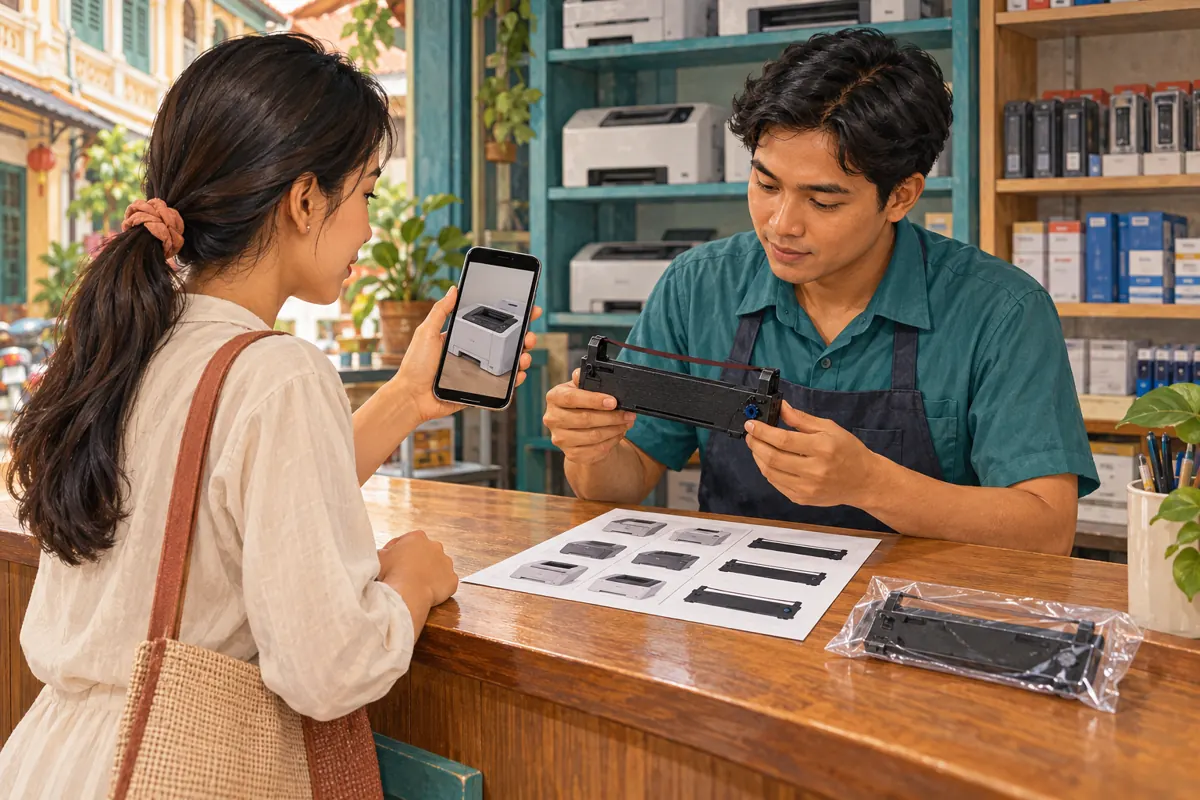
Ask for the full printer designation and the necessary cartridge details before confirming a product. Then review the video for the specific ambiguity. If it implies wider compatibility than you verified, correct the wording. If the missing detail is visual, add a clearer explanation rather than trying to solve the problem through tags.
Explore the current service catalogue, create an account, or ask a specific question through support tickets.
- YouTube Help: Add tags to your YouTube videos
- YouTube Help: Fake engagement policy
- YouTube Help: How YouTube search works
Prepared with AI assistance. Illustrations explain the workflow and do not represent customer results.