22/10/2026 05:43
Where Did the Fit Question Go? Reviewing TikTok Comments for Cambodian Lunch-Bag Shops

A lunch-bag demonstration can leave an important question unanswered: will the customer’s food container actually fit? If that question disappears into a comment filter, the shop may mistake a quiet discussion for a lack of interest. For Cambodian businesses promoting products through TikTok, reviewing comments belongs alongside filming, stock checks and replies. This guide uses a hypothetical lunch-bag shop to explain how to recover useful questions, distinguish complaints from spam, and prepare a manageable review routine. It also explains why an SMM panel service cannot replace that work or establish that viewers are potential Cambodian customers.
1. Define the question your promotion should help customers answer
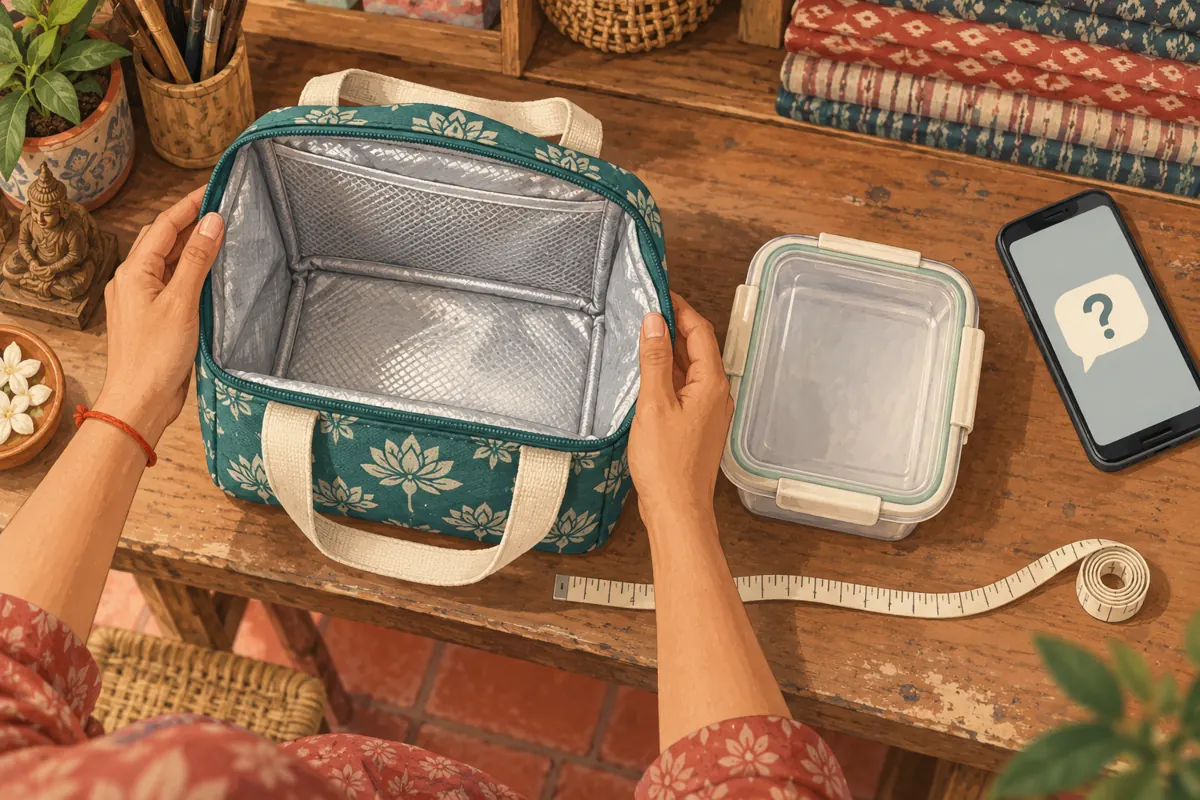
Imagine a hypothetical Phnom Penh shop posting a demonstration of a rectangular insulated lunch bag. The owner shows the fabric, handles and zipper, but never places a container inside. A viewer asks whether a wide lid will pass through the opening. That question is commercially useful because it identifies missing information. The immediate task is to clarify fit, even if the viewer never buys anything. Treat the question as a request for evidence, rather than treating every interaction as a sales lead.
Before promoting the demonstration further, write down the decisions a customer needs to make: which bag model, which container shape, whether a bottle shares the main compartment, and where collection is available. Give the person reviewing comments access to those answers. A reviewer who knows only the selling price may approve a useful question but still leave it unresolved. Product knowledge makes moderation part of customer service instead of a simple exercise in removing unpleasant messages.
2. Locate the review controls before changing the rules
TikTok’s official Manage comments guide gives this route: Profile, Menu, Settings and privacy, Privacy, then Comments. Open Review filtered comments to approve or delete an item. Keyword filtering hides comments containing specified keywords unless approved. Filter unwanted comments addresses potential spam or offensive comments. Filter all comments hides comments pending approval, but TikTok says this feature is not available to everyone. Comment permissions and the individual post’s Allow comments setting are separate controls.
Start by noting what your own account currently shows. Record the settings and review date in a short internal note before changing anything. Avoid making several adjustments together: if useful enquiries become easier to find afterward, you will want to understand which decision helped. Menu wording may differ from the English labels used here. Use the current official help page alongside the options visible in your app, and avoid building a staff procedure around a control your account does not offer.
3. Read the full meaning of Khmer and mixed-language questions
For a Cambodian shop, assign review to someone comfortable with the language customers actually use. That may include Khmer, English product terms, abbreviations and informal transliteration. Do not classify a message as spam simply because its spelling looks unfamiliar. Read it alongside the video and surrounding conversation. A short comment about something being too small could refer to the bag, the demonstration container, or the way the product appears on screen. Each interpretation needs a different answer.
Create a small internal reference sheet using anonymized question patterns from your own enquiries. Group them by meaning: container fit, included accessories, washing instructions, collection and delivery. Have a fluent colleague check uncertain phrasing before you respond. Do not assume a keyword rule understands translations, spelling variations or context. When meaning remains unclear, ask a narrow follow-up question. For example, ask whether the customer means the opening or the interior base, rather than requesting that they rewrite their entire comment.
4. Keep keyword decisions narrow and explainable
Build any keyword list around an observed problem. If the shop has received repeated unrelated solicitation, document the wording and why it needs review. Avoid adding ordinary shopping terms such as price, delivery, small or refund merely because they appear in difficult conversations. Those words also belong in legitimate enquiries. A rule that catches almost every practical question creates more work for the reviewer and makes the public discussion less useful to future customers.
For each proposed keyword, write a harmless example that might contain it. In a hypothetical test, a shop considers filtering the word broken after receiving abusive messages. A legitimate customer might also write that a zipper arrived broken. That example shows why the word alone is an unreliable decision rule. Reconsider broad terms and retain human judgment. Keep a brief reason beside each retained keyword, then revisit it when the original problem stops appearing. An unexplained list becomes harder for the next staff member to maintain.

5. Sort comments by the action they need
Use four practical categories during review: answerable product questions, service complaints, unwanted solicitation, and uncertain messages. These are internal working categories, not claims about TikTok’s interface. For a product question, identify the missing fact and who can confirm it. For a complaint, establish what needs investigating without demanding public order details. For solicitation, consider whether the message contributes anything relevant to the discussion. For uncertain wording, get a second reading before making a final decision.
Do not use praise as the standard for approval. A reasonable complaint about a cramped bottle pocket may help other shoppers understand the product. A respectful answer can explain which model was shown and what the pocket is intended to hold. By contrast, a flattering message containing an unrelated sales link still deserves scrutiny. If a comment exposes a phone number, address or payment reference, protect that information and arrange a suitable private follow-up. Keep the service issue separate from the decision about displaying personal details.
6. Answer fit questions with a repeatable product check
Prepare one consistent way to check fit. Identify the bag model, measure the usable interior, and consider the zipper opening as well as the base. A container can fit the bottom yet be awkward to insert through a narrower mouth. Include the lid, clips and handles when comparing dimensions. If a bottle or ice pack is shown beside the container, explain whether the demonstration includes them inside the bag. Avoid promising that every similarly named lunch box will fit.
A hypothetical reply could say: “Please share the container’s outside length, width and height, including the lid clips. We can compare those with this bag model.” If the shop has the same container available, demonstrate insertion and closure without forcing the zipper. Describe what was actually tested. If the container differs, say so. The goal is a clear answer with an honest boundary. A generic response such as “Yes, suitable for lunch boxes” leaves the original uncertainty unresolved and may create an avoidable return.
7. Give the review queue an owner and a realistic schedule
Choose a review routine the shop can maintain alongside packing and serving customers. For a hypothetical small team, checking after opening and before closing might be manageable. These are example work periods, not claims about ideal TikTok posting times. Add a review session after a new product demonstration if staff are available. Name a backup person for busy collection periods so that the task does not disappear when the owner is away from the phone.
Keep a compact handover note containing the video reference, question category, required action and responsible person. A note might read: “Blue rectangular bag: confirm whether bottle pocket reduces interior space; stock assistant to check.” Do not copy entire customer conversations into a shared document unnecessarily. Mark a question resolved only when the promised check or reply is complete. If nobody can handle another promotion’s enquiries, improve staffing or slow the promotion schedule before creating an even larger unanswered workload.
8. Treat SMM catalogue labels as a separate decision
The je-smm.com catalogue includes “TikTok - Likes ~ 𝗛𝗤 𝗔𝗰𝗰𝗼𝘂𝗻𝘁𝘀 𝗪𝗶𝘁𝗵 𝗣𝗼𝘀𝘁𝘀 ~ Max 5k ~ 5k/Hours ~ Instant ~ 𝗥𝗘𝗙𝗜𝗟𝗟 30D”. Its label identifies a likes service, but the supplied entry has no explanatory description. The wording does not establish moderation support, Cambodian audience origin, genuine customer interest or verified delivery performance. Treat the quality, timing and refill wording as catalogue claims, not independently confirmed facts.
TikTok’s Community Guidelines prohibit services that artificially increase engagement or manipulate its recommendation system. A catalogue listing does not override that rule. For this workflow, the sensible decision is to avoid artificial engagement and put effort into clearer demonstrations and genuine replies. Purchased engagement is not evidence of sales, ad delivery or Cambodian users. If you are reviewing an existing panel record, keep its service name, target and status separate from customer enquiries; none of those fields answers whether a lunch container fits.
9. Measure moderation work without inventing demand
Keep operational observations separate from business outcomes. Useful moderation observations include questions awaiting a product check, recurring uncertainties and cases where a broad rule caught a legitimate enquiry. These help improve the shop’s process. They do not establish customer location, purchasing power or intent. Likewise, a visible comment count tells you little about how many people understood the demonstration. Read the substance of the discussion before deciding what needs improvement.
Record confirmed orders in the shop’s normal sales process. If a customer voluntarily says a particular video helped, retain that as their stated source rather than presenting it as proof that every similar sale came from TikTok. When settings change, annotate the review date. A later increase in visible questions could reflect the review work, different content or ordinary variation. Avoid attributing it automatically to promotion. A useful weekly note describes what was learned and what will change, rather than assigning unsupported revenue to engagement.
10. Rehearse the workflow before the next promotion
Run a short internal rehearsal using fictional comments on paper or in a private work note. Include a fit question, a delivery complaint, an unrelated offer and an ambiguous sentence. Ask the reviewer to explain the next action for each. Do not post invented customer comments publicly for the exercise. The rehearsal should reveal gaps in product knowledge, language confidence or responsibility. Resolve those gaps before encouraging more people to enquire.
Watch for common mistakes: approving only compliments, treating every unfamiliar phrase as spam, changing several settings without notes, and assuming the public thread shows all customer questions. Another mistake is promising a measurement check without assigning anyone to perform it. Finish preparation by reviewing the actual bag shown in the video and the information available to staff. The next promotion should lead to an answer the shop can deliver, with a clear route from question to product check to reply.

Frequently asked questions
Should we remove a complaint because we cannot find the customer’s order?
An unmatched order does not by itself prove that a complaint is false. Ask for a suitable reference through the shop’s established private contact route and investigate. Keep the public response factual. Avoid demanding personal details in the comment thread or accusing the person before checking the records.
What if our reviewer cannot understand a Khmer abbreviation?
Ask a fluent colleague to read the message in context. If uncertainty remains, request clarification about the product detail involved. Keep only an anonymized wording example for staff learning. Do not turn unfamiliar spelling into a permanent filtering rule merely because the first reviewer did not understand it.
Can a likes service recover a missing customer question?
The catalogue entry discussed here provides no description supporting that capability. A likes label does not establish access to comment moderation or customer support. Investigate the question through your own review process, and keep any existing service record separate from the customer’s issue.
How should a one-person shop decide what to answer first?
Prioritize exposed personal information and urgent service issues, then questions needing a stock or measurement check. Prepare factual answers to recurring questions so each reply requires less research. Choose review periods you can maintain and avoid promising immediate replies while serving customers or making deliveries.
Does a quieter comment section mean the promotion failed?
Not necessarily. Check unresolved enquiries, the clarity of the demonstration and your moderation notes before drawing conclusions. Customers may also use another contact route. Judge the work against its intended purpose, such as explaining container fit, and use confirmed business records when discussing sales.
Explore the current service catalogue, create an account, or ask a specific question through support tickets.
- TikTok Help Center: Manage comments
- TikTok Community Guidelines
- TikTok Community Guidelines: Integrity and Authenticity
Prepared with AI assistance. Illustrations explain the workflow and do not represent customer results.